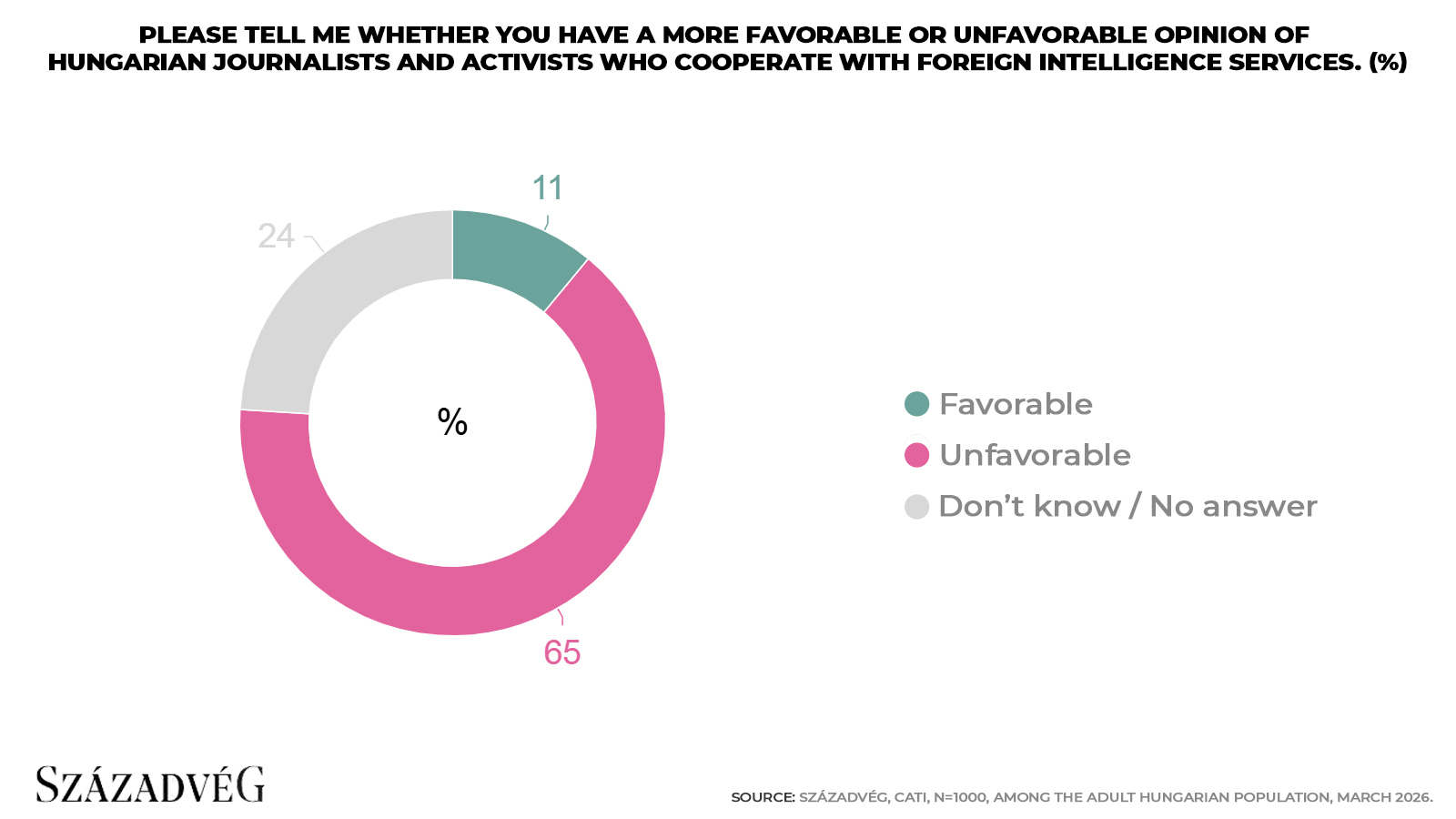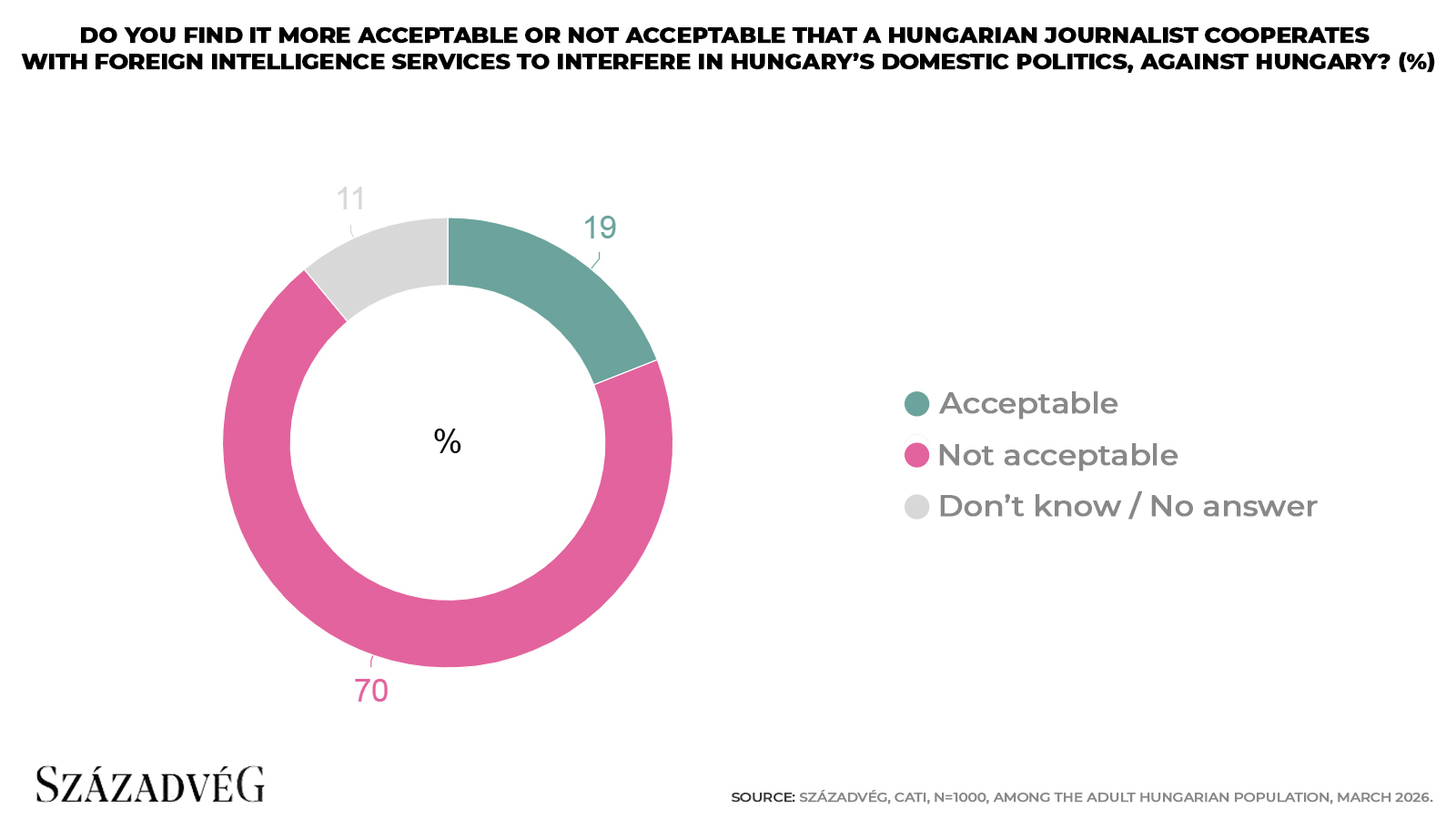
According to the analysis published on March 31, Századvég argues that the issue of alleged foreign election interference has become a recurring political theme since the 2016 U.S. presidential election. In its reading, globalist networks, NGOs, media actors, and activists have repeatedly raised the issue in major campaigns, while often downplaying other forms of foreign influence. The article stresses that in a democratic country, decisions about the composition of parliament and government must belong exclusively to that country’s citizens, free from outside manipulation.
Századvég places the current controversy in the context of earlier debates around foreign political financing and influence. The analysis points back to the aftermath of Hungary’s 2022 parliamentary election, when funding linked to Action for Democracy and a Swiss foundation became a major political issue. It also refers to a 2025 report by the U.S. House Judiciary Committee, which examined how the EU Digital Services Act’s hate speech provisions were used to censor conservative views during some European campaigns. In this interpretation, concerns about “Russian interference” have often been used selectively, while other channels of influence were minimized or denied.